
Understanding Your Dog’s Body Language
Dogs are communicating with us all the time. We just don’t always realise it. Lean to understand your dog’s body language below then have a go at the short quiz at the end!
Dogs don’t use words, but they are constantly giving information through posture, facial expression, movement, tension, breathing and vocal sounds. When we learn to read those signals properly, we can prevent problems before they escalate and help our dogs feel safer and more understood.
Often what people assume means “happy” or “fine” can actually mean “I’m uncomfortable” or “please give me space.” Spotting the early signs is what prevents growling, snapping or biting later on.
Early Stress & Discomfort Signals
These are the small, often subtle signs that a dog is feeling unsure, pressured or uncomfortable. These are the signals we want to notice early, before escalation.
You might see:
Ears held back or slightly flattened
Turning the head away
Avoiding eye contact
Lip licking or quick tongue flicks
Yawning (when not tired)
Brief freezing of the body
A closed, tense mouth
Lowered body posture
Tail carried low or tucked (especially covering private parts)
Tail wagging low and short (a wag does not always mean happy)
Lifting a front paw
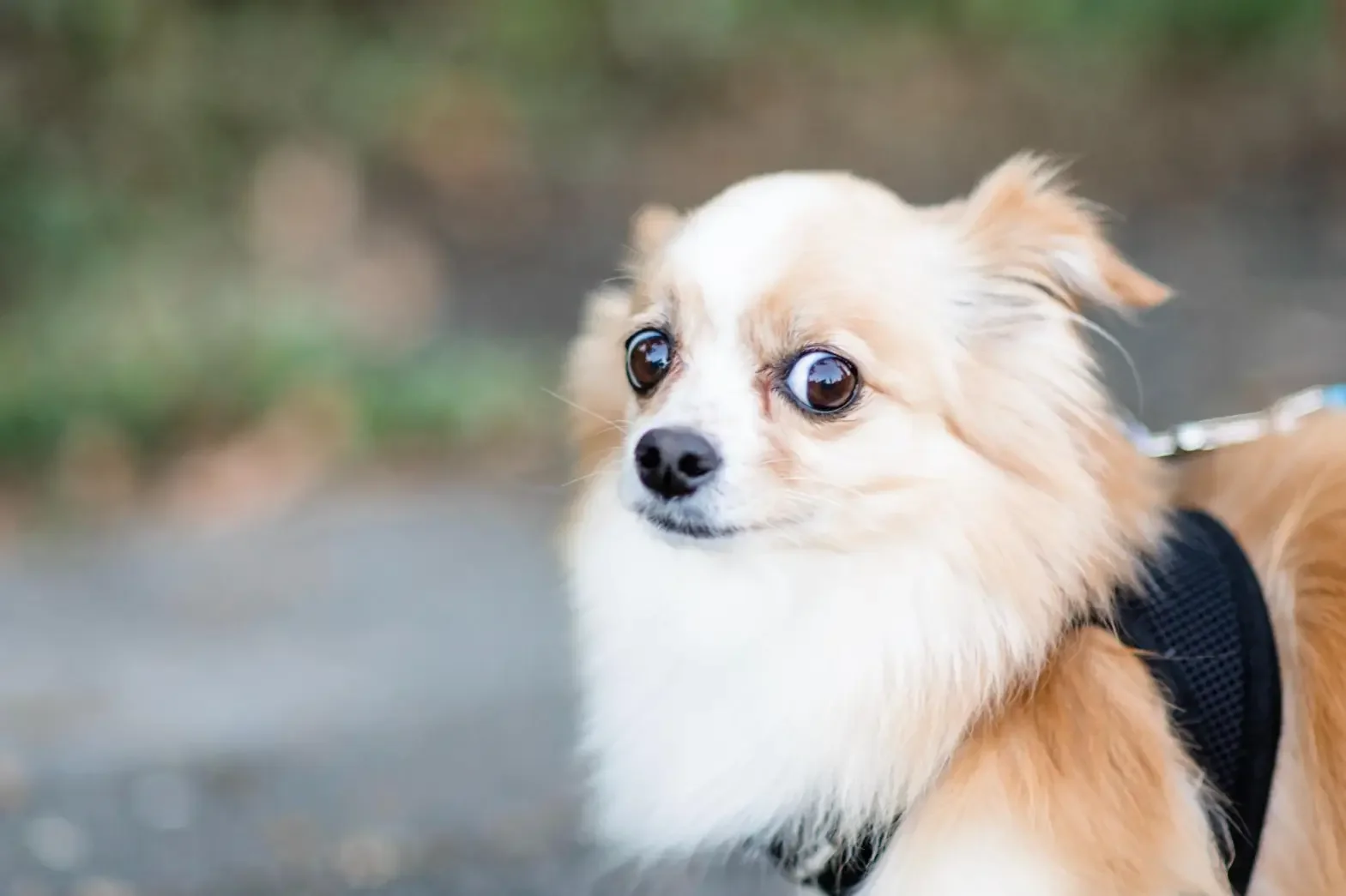
“Whale eye” (showing the whites of the eyes)
Shaking off when not wet (a tension release)
Raised hackles
These signals often mean:
“I’m not entirely comfortable.”
“Please slow down.”
“I need space.”
If these are ignored and the pressure continues, a dog may escalate to growling or snapping. The growl isn’t the problem. It’s usually the last polite warning after earlier signals were missed.
Displacement Behaviours
These are “self-calming” behaviours. They often look random or unrelated to what’s happening. These behaviours can be a dog trying to regulate big emotions (positive or negative) or diffuse social pressure.
For example:
Sniffing the ground suddenly
Scratching
Shaking off
Yawning
Sneezing
Pacing
Defensive or Escalating Behaviour
When earlier signals haven’t worked, behaviour can become clearer and more intense.
You might see:
Body stiffening
Hard staring eyes
Mouth closed tightly
Ears forward
Tail held high and stiff
Growling
Snarling (teeth visible)
Lunging
Snapping (with or without contact)
At this stage the dog is no longer unsure — they are actively trying to create distance.
Relaxed & Happy Body Language
A relaxed dog looks fluid and soft.
Loose, wiggly movement
Soft eyes (blinking or squinting slightly)
Mouth slightly open
Tail wagging in a loose, sweeping motion
Play bow (front end down, back end up)
Curved body posture
The key word here is loose. Relaxed dogs look soft and bendy, not stiff.
What Does a Wagging Tail Actually Mean?
This is one of the biggest misconceptions.
A wagging tail does not automatically mean a dog is happy.
A wag simply means the dog is emotionally aroused — that could be excitement, frustration, uncertainty or happiness.
Look at:
Tail height (high = aroused; low = unsure)
Speed (fast and loose vs short and stiff)
The rest of the body (soft vs tense)
Always read the whole dog, not just the tail.
Context Is Everything
No single signal tells the full story.
The same posture can mean different things depending on the environment. A still body while waiting for a treat is very different from a still body while staring at another dog.
When reading body language, always consider:
The environment
The trigger
The dog’s history
The full body posture
Any vocalisations
The more you practise noticing early signals, the better you’ll get at supporting your dog before behaviour escalates.
And that’s where real progress happens.
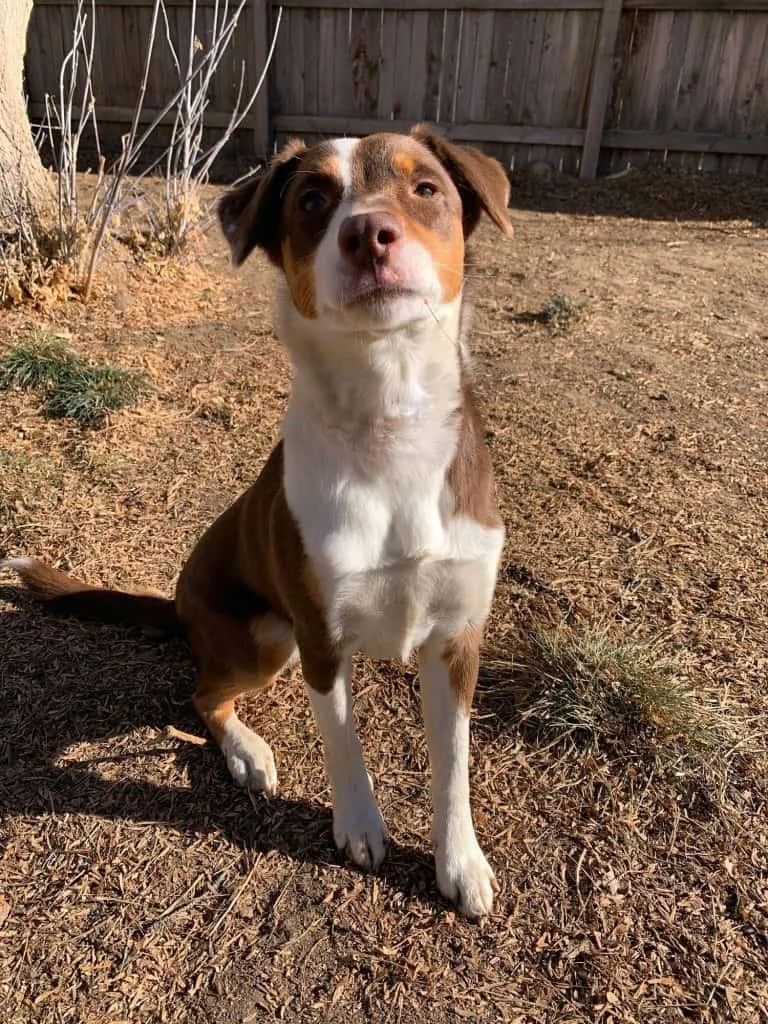
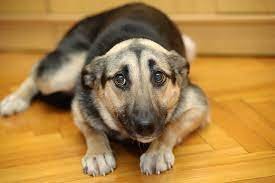
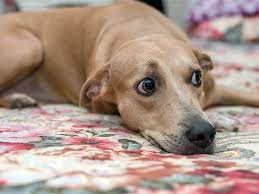
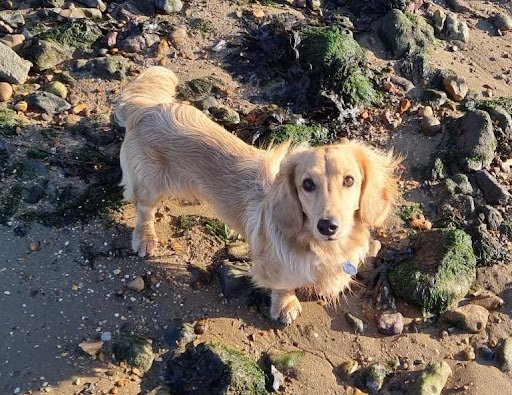
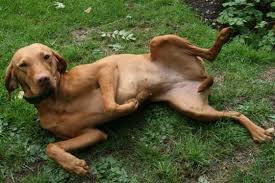
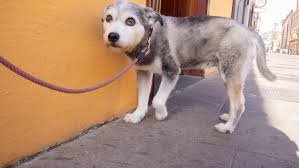
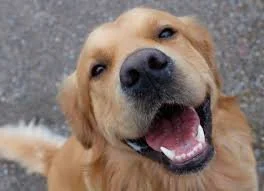
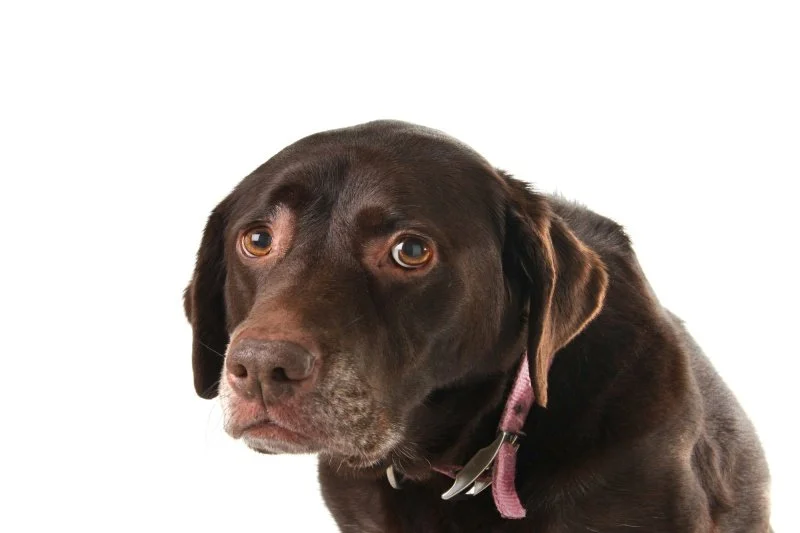
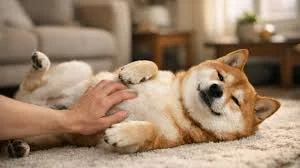
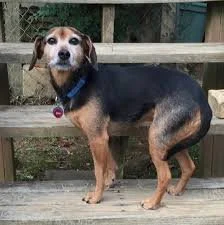
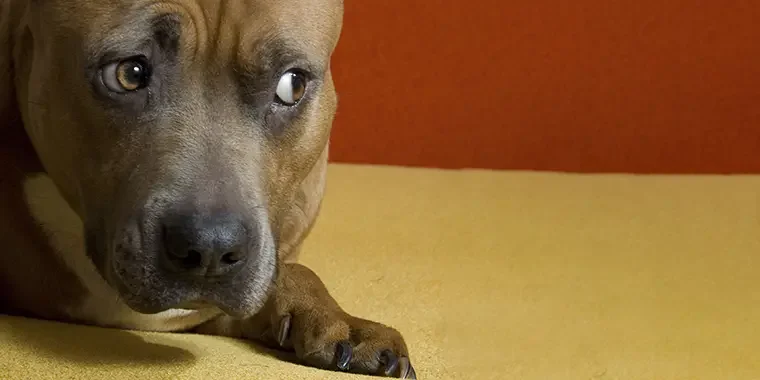
Quiz Time! Have a go at reading the canine body language photos below. Guess for each if they are mostly negative (unsure or scared and need space) or mostly positive (happy or relaxed)
Answers are at the end of artile

Quiz Answers:
Comfortable dog with a relaxed but slightly alert facial expression.
Scared dog – furrowed brow, ears held back, showing the whites of the eyes.
Scared / unsure dog – whale eye visible, ears pinned back, looking toward something they’re uncomfortable about.
Content and alert – relaxed tail, ears forward, calmly focusing on something out of frame.
Worried dog wanting space – on their back showing the belly as an appeasement signal, tail covering private area, ears back, tight mouth.
Worried / uncertain dog – ears back, front paw lifted tentatively, tail tucked underneath.
Relaxed dog – soft face, relaxed eyes and loose body posture.
Fearful dog – clear whale eye and ears pinned back.
Happy dog – relaxed face, soft eyes and loose expression.
Slightly worried dog – mild facial tension and slight furrow in the brow.
Relaxed, content dog – lying on back with loose body and soft facial expression (comfortable exposure, not appeasement).
Scared dog – tail tucked tightly under, hunched posture, furrowed brow and closed, tense mouth.
Concerned / conflicted dog – furrowed brow, head turned away from the trigger but eyes still tracking it.